How Loyalty Reward Systems Track Engagement Levels in Digital Dice Games Across Various Platforms
Written by Wendy Simmons · Aug 21, 2026
How Loyalty Reward Systems Track Engagement Levels in Digital Dice Games Across Various Platforms
Digital dice games have become a staple across online casino platforms, and loyalty reward systems play a central role in monitoring how players interact with these titles over time. These systems collect data on session length, bet frequency, and participation patterns to assign points that unlock tiered benefits, while operators adjust rewards based on sustained activity across desktop, mobile, and social casino environments. Research from the New Jersey Division of Gaming Enforcement shows that player tracking technologies record every roll, wager size, and consecutive play period to calculate engagement scores that feed directly into reward calculations.
Data Collection Mechanisms in Dice Game Platforms
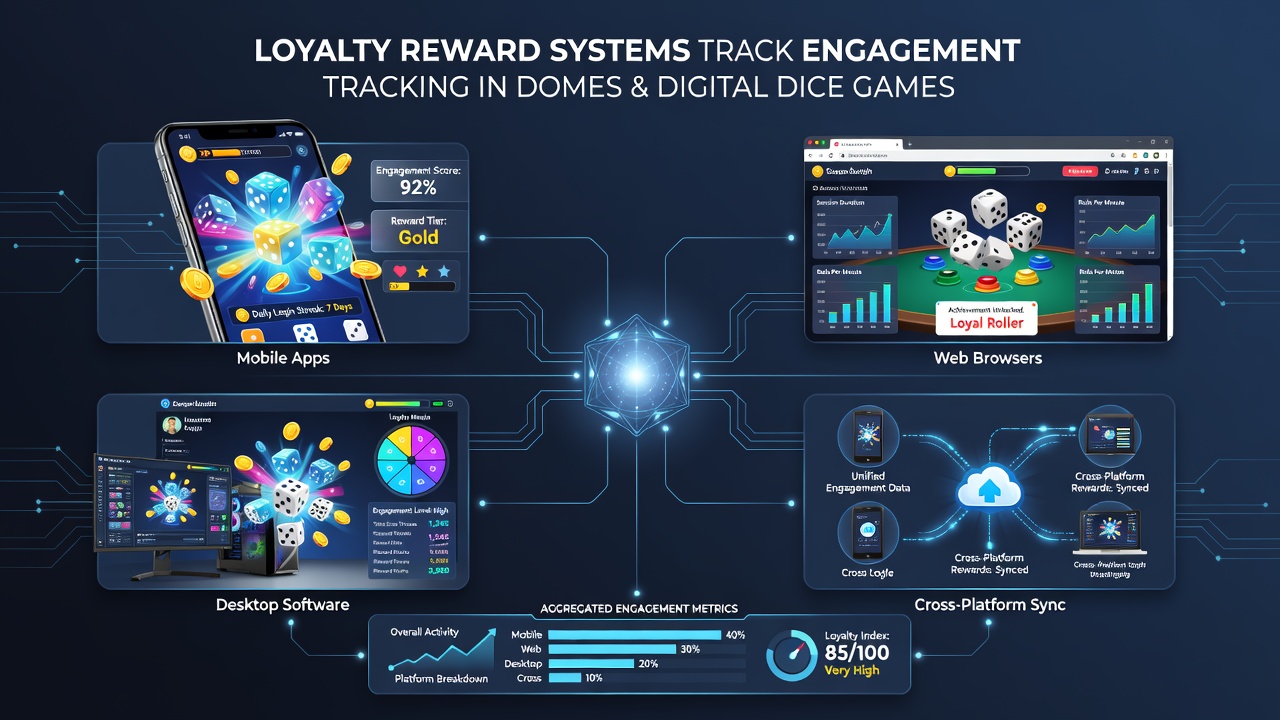
Operators integrate tracking tools that log real-time metrics such as total rolls completed, average stake per game, and time spent in active sessions, then feed this information into centralized loyalty databases. Mobile applications often capture additional signals including device type, login intervals, and push notification response rates, whereas desktop platforms emphasize browser session duration and multi-tab activity. Blockchain-based dice games add another layer by recording transaction hashes and wallet interactions, which loyalty programs convert into verifiable engagement points without relying on traditional account logins.
Points accrual formulas typically multiply base bets by a platform-specific multiplier, then apply bonuses for streaks or high-volume periods, and systems refresh these totals daily to reflect current engagement levels. Data indicates that platforms using unified player accounts across multiple game types can aggregate dice activity with other titles to create comprehensive profiles, while standalone dice apps focus solely on metrics like win streaks and loss recovery attempts.
Platform-Specific Tracking Variations
Mobile environments prioritize push engagement and short session bursts, so loyalty algorithms weight rapid login sequences and in-app purchase frequency more heavily than extended playtime. Desktop versions, by contrast, record deeper analytics such as strategy adjustments between rolls and use of game history tools, which contribute to bonus multipliers for consistent users. Cross-platform systems synchronize data through cloud servers, allowing players to maintain progress whether they switch from phone to tablet mid-session, and this continuity helps operators identify true engagement rather than fragmented activity.
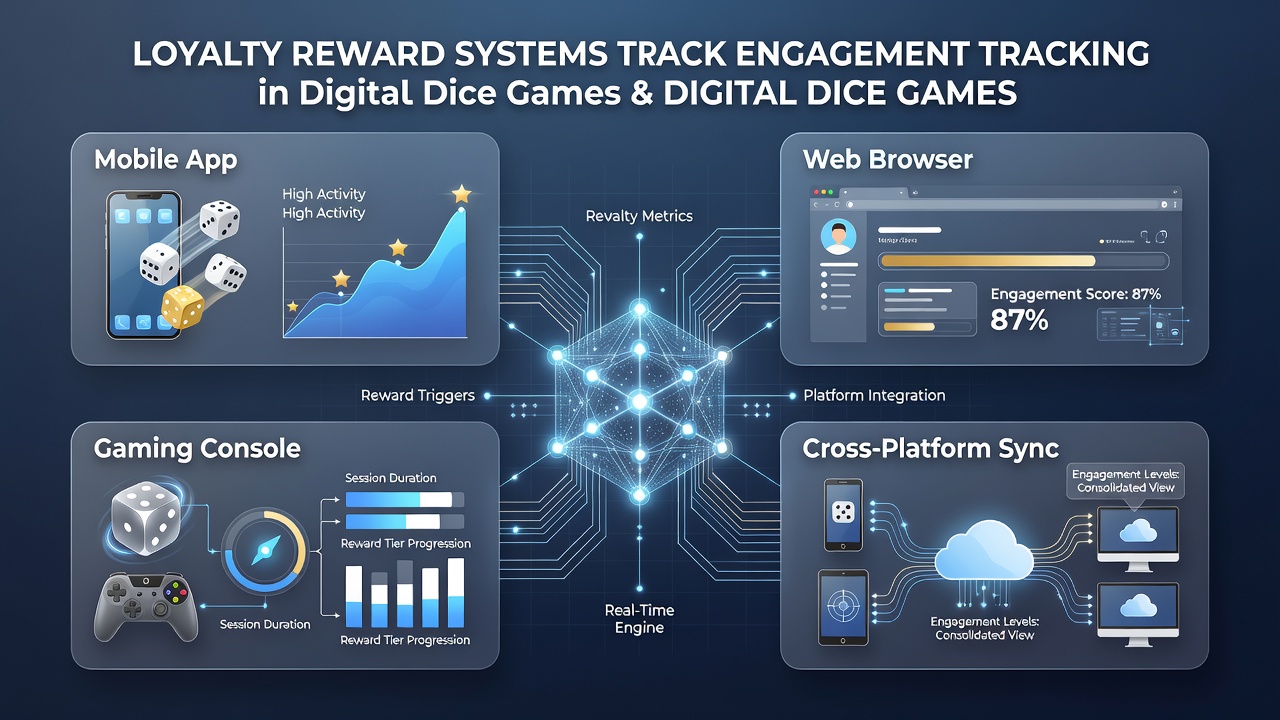
Figures from the Ontario Lottery and Gaming Corporation reveal that unified tracking across devices increased reward redemption rates by aligning points with actual play patterns observed in August 2026 reports. Social casino platforms add social metrics like friend referrals and shared achievements, converting these into engagement credits that stack alongside traditional dice roll counts.
Reward Tier Progression and Engagement Thresholds
Loyalty programs structure tiers around cumulative engagement points, with entry-level status granted after minimal activity and higher tiers requiring sustained metrics such as weekly roll volume or monthly active days. Thresholds adjust seasonally based on aggregate platform data, so operators can respond to shifts in player behavior without manual intervention. Automated systems flag accounts that show declining engagement, then deploy targeted offers like bonus rolls to re-engage users before points lapse.
Those who study these systems note that dice-specific bonuses, including free roll credits or multiplier boosts, activate only after verified engagement thresholds are met, and verification occurs through timestamped logs that prevent artificial inflation. Platforms in regulated markets must comply with data privacy standards that limit how long raw session data remains stored, yet aggregated engagement trends remain available for reward modeling.
Integration with Broader Casino Ecosystems
Many operators embed dice game tracking within larger loyalty frameworks that span slots, table games, and sports betting, allowing engagement from dice play to influence overall account status. This integration means a player focused solely on digital dice can still climb tiers by maintaining consistent activity, while mixed-game users benefit from combined metrics. External industry reports from the Canadian Gaming Association highlight how such cross-game tracking improved retention figures across multiple jurisdictions during the first half of 2026.
Real-time dashboards provided to operators display heat maps of peak dice engagement hours and regional participation differences, enabling dynamic reward adjustments that align with observed patterns. Players receive progress notifications through in-app messages, and these updates reflect the latest tracked data without requiring manual refreshes.
Conclusion
Loyalty reward systems in digital dice games rely on detailed engagement tracking that spans device types, session behaviors, and platform formats to deliver points and tier benefits. Data collection through automated logs supports accurate reward distribution, while cross-platform synchronization ensures continuity for users who move between environments. As operators refine these tools in response to regulatory and market developments, the core approach remains centered on measurable activity metrics that drive participation across various digital dice offerings.