30 Jun 2026
How Virtual Reality Interfaces Alter Traditional Poker Hand Reading Techniques in Simulated Environments
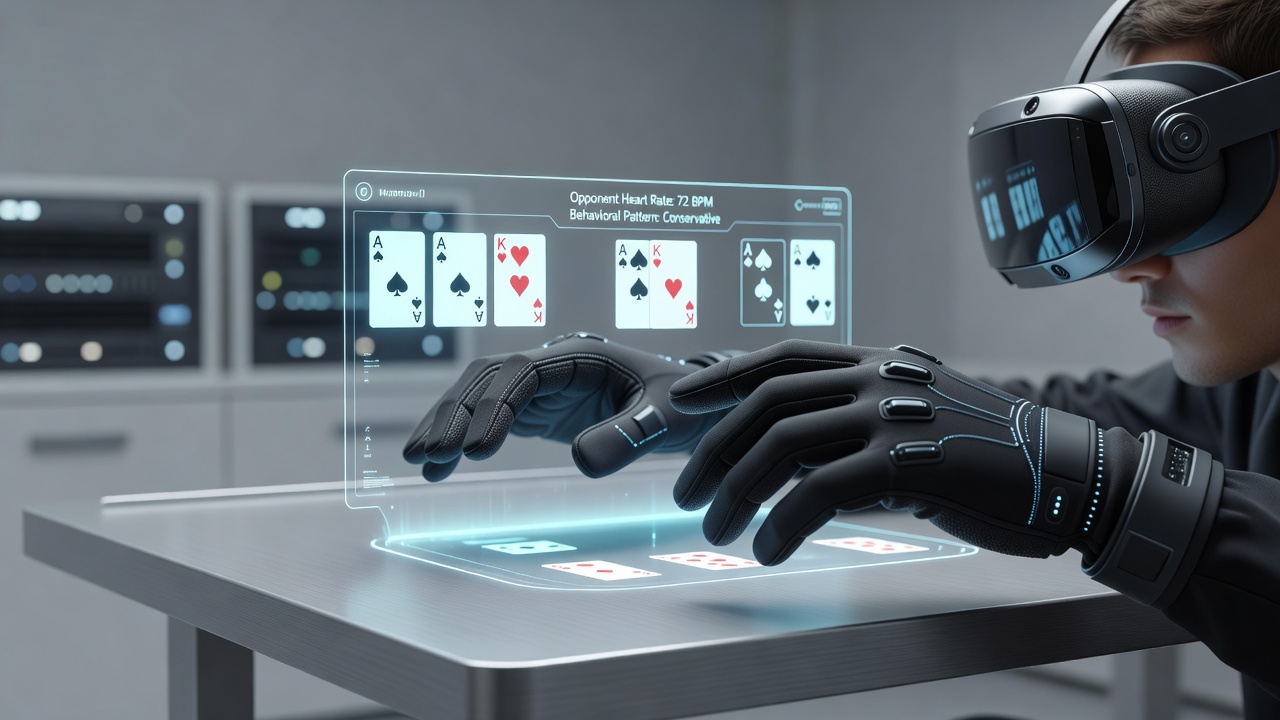
Virtual reality platforms have introduced new layers to poker gameplay since their wider adoption in regulated markets, and these systems change how participants interpret opponent behavior during simulated sessions. Traditional hand reading relies on physical tells such as posture shifts, eye movements, and timing patterns that players observe across felt tables, yet VR environments replace those cues with digital representations that algorithms generate and track in real time. Research from the International Gaming Institute at the University of Nevada indicates that VR interfaces process biometric data including head tilts and hand gestures through motion sensors, which converts physical signals into standardized avatar animations that may obscure or amplify original tells.
Core Elements of Traditional Hand Reading
Players have long studied micro-expressions and betting rhythms to narrow opponent ranges during live games, and these methods depend on direct line-of-sight observation combined with auditory feedback from chip handling and verbal patterns. Data collected across North American casino floors shows that experienced participants adjust decisions based on consistent physical habits such as chip stacking speed or breathing changes, while regulatory reports from the Nevada Gaming Control Board document how such observations influence strategy in cash game settings. Hand reading in physical environments also incorporates table position and card exposure angles that remain visible to multiple observers simultaneously.
Technical Shifts Introduced by VR Systems
Simulated environments map user movements to avatars through infrared cameras and haptic gloves, and this mapping process standardizes many natural variations that once served as reliable indicators. Motion capture data from platforms operating in June 2026 reveals that eye-tracking modules record gaze duration on community cards yet render those movements as uniform avatar head turns rather than individualized glances, which reduces the granularity available to human observers. Gesture libraries within these systems categorize common actions into preset animations, so a player who normally fidgets with cards may appear motionless while another who stays still might trigger an exaggerated shrug based on software thresholds.
Audio channels further modify information flow because voice modulation filters remove background sounds and alter pitch consistency, whereas traditional tables allow participants to detect hesitation through breathing or vocal cracks. Software updates rolled out in early 2026 by several major VR operators added customizable avatar skins that let users mask or exaggerate selected animations, and this feature set expands options for deliberate deception beyond what physical tells permitted.

Observed Adaptations Among Regular Participants
Those who transition from live to VR sessions often recalibrate their focus toward timing metrics and bet sizing patterns that remain consistent across both formats, while researchers at the Australian Gambling Research Centre have tracked how participants develop new heuristics based on avatar reaction latency rather than body language. Session logs from compliant European operators show that average decision times lengthen during VR play because users adjust to controller inputs, and this shift creates fresh timing tells that opponents learn to exploit after repeated exposure. Some platforms incorporate environmental variables such as virtual lighting changes or crowd noise that can distract attention from core hand reading tasks.
Training modules offered through several licensed VR poker applications simulate common avatar behaviors drawn from aggregated user data, and these tools help newcomers identify which digital cues correlate with strong or weak holdings in simulated conditions. Figures released by the Canadian Centre for Gaming Research in 2025 documented a measurable increase in multi-tabling frequency within VR environments, which spreads cognitive resources across more hands and reduces depth of individual read analysis compared with single-table physical play.
Data Patterns and Platform Differences
Comparative studies between desktop poker clients and full VR setups indicate that avatar-based hand reading accuracy starts lower for most users yet improves after approximately 40 hours of exposure according to internal metrics shared by one major Asian operator. Differences emerge across hardware generations because newer headsets released before June 2026 capture finer finger articulation data that older models averaged into broader gestures. Regulatory frameworks in multiple jurisdictions now require disclosure of motion-tracking parameters so that participants understand which physical inputs feed into visible avatar output, and this transparency measure addresses concerns about hidden algorithmic influences on perceived tells.
Conclusion
Virtual reality interfaces continue to reshape hand reading by converting physical signals into processed digital outputs that follow platform-specific rules, and ongoing hardware refinements along with user adaptation patterns suggest further evolution in how these techniques function within simulated poker environments. Observers note that core strategic principles remain intact while the sensory channels through which information arrives have changed substantially.