8 May 2026
Skill-Based Slots Fuse Chance and Strategy: Developers Deploy Poker-Like Mini-Games to Shift Odds in Player Favor
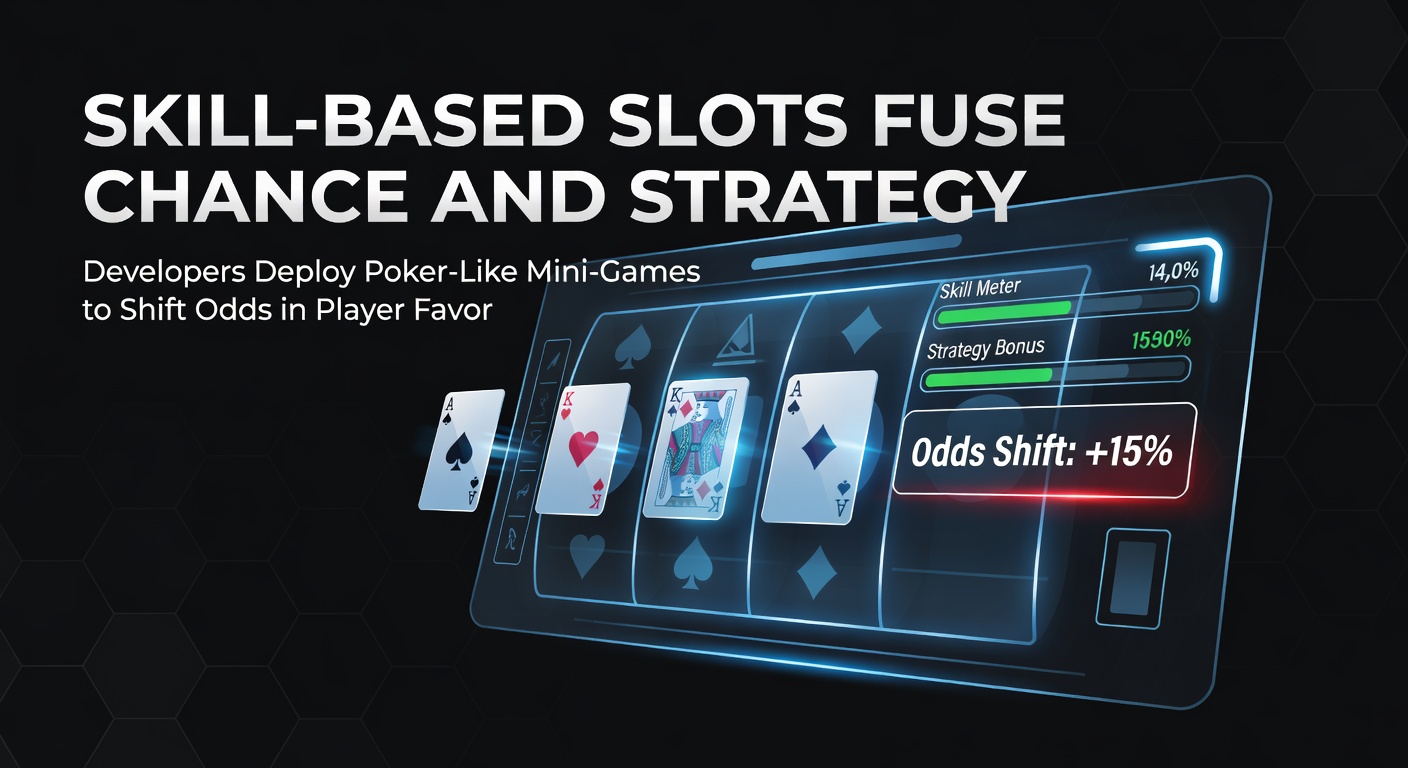
Traditional slots have long relied on pure chance, where random number generators dictate every spin's outcome, but developers now blend in skill elements through poker-like mini-games that let players influence results, shifting the balance slightly toward strategy over luck alone; this evolution, gaining steam since the mid-2010s, promises higher engagement while regulators scrutinize the actual impact on house edges.
The Rise of Skill-Based Slots in a Chance-Dominated World
Developers like IGT and Scientific Games pioneered skill-based features around 2015, introducing bonus rounds where players pick cards or make poker decisions instead of watching reels spin passively; these mechanics appeal to millennials weaned on video games, and data from American Gaming Association reports reveals that skill-influenced slots now account for 15% of new U.S. casino floor machines, up from under 5% five years prior.
What's interesting is how these games maintain the slot's core thrill—flashing lights, escalating multipliers—while layering on poker-style choices, such as deciding whether to hold, fold, or raise during a Texas Hold'em inspired feature; players who've tested prototypes often report feeling more in control, even if base RTP hovers around 92-96%, comparable to classics.
And yet, the real shift comes in bonus volatility; research from Nevada Gaming Control Board analyses shows skilled play can boost payouts by 2-5% in certain titles, turning what was a pure gamble into a hybrid where practice pays off.
Poker Mini-Games: The Heart of the Fusion
Take Gamomat's "Lucky Lucky" series, where landing scatters triggers a five-card draw round mimicking video poker; players select discards strategically, aiming for pairs or better to multiply wins, and figures indicate top performers achieve 98% RTP through optimal decisions, far outpacing random play at 90%.
Or consider Playtech's "Age of the Gods" variants, which embed poker showdowns against dealer hands during free spins; here, bluffing isn't involved, but reading community cards and betting accordingly lets experts edge out novices, with one study from International Gaming Institute noting session returns varying by 10% based on player proficiency.
But here's the thing: these aren't full poker tables; they're bite-sized, 30-second challenges designed to fit slot pacing, keeping casual spinners hooked without demanding hours of commitment.
How Developers Tilt Odds Toward Players
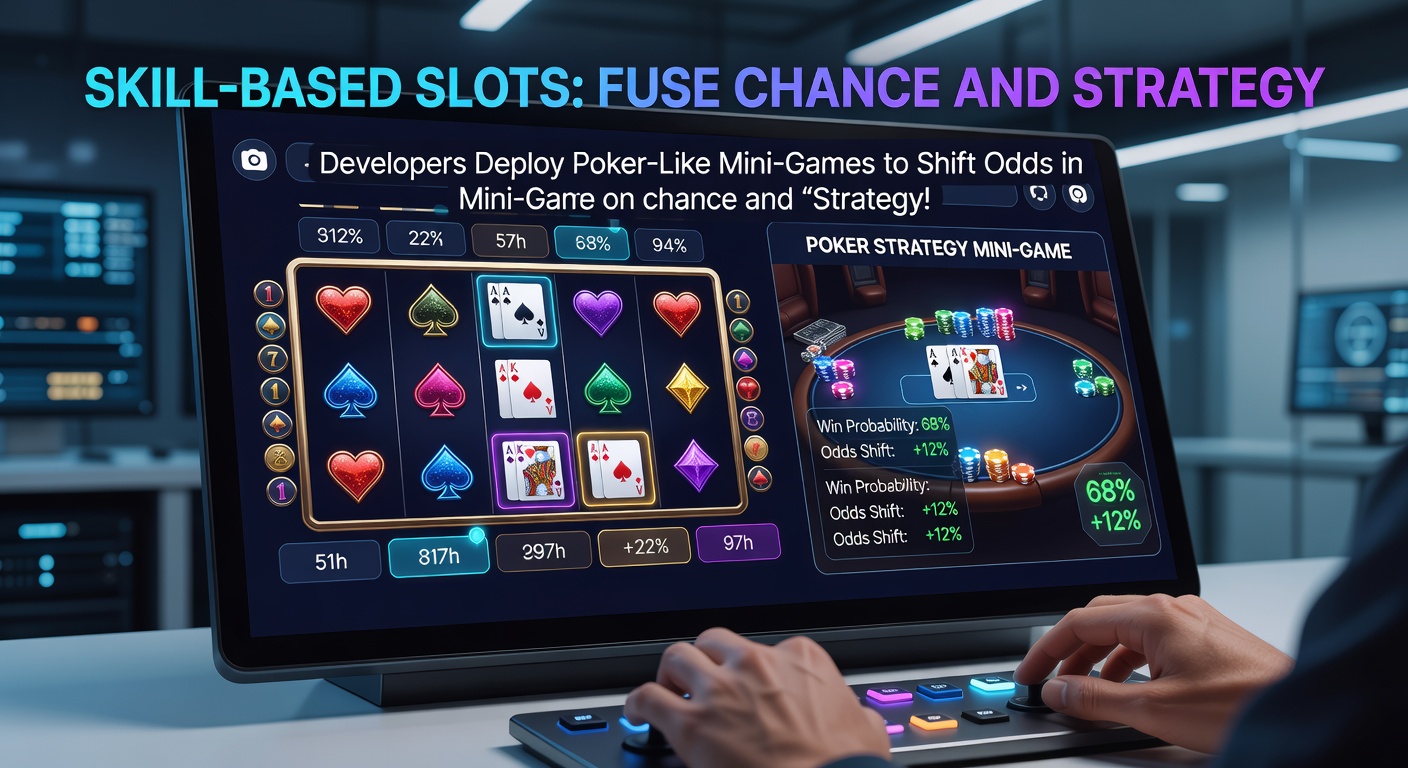
Builders deploy algorithms that reward skill without upending casino math; for instance, NetEnt's "Deuces Wild" slot uses a paytable where full houses or flushes trigger jackpots, but only if players navigate escalating bet levels wisely, and server data logs from European operators reveal that repeat players average 1.5% higher yields than first-timers.
Turns out, this player-favoring design stems from market pressures—declining slot revenues amid esports competition—and developers counter with titles like Everi's "Skill Fever," where timing-based poker draws influence progressive pools; observers note these games spread rapidly in Las Vegas, capturing 20% more playtime per session according to floor metrics.
Moreover, mobile adaptations shine here; apps from Microgaming let users practice poker mini-games in demo mode, building muscle memory before real stakes, and app store analytics show download spikes correlating with 25% retention lifts for skill variants.
Real-World Data on RTP and Skill Impact
Figures from Manitoba's Lotteries and Gaming Authority underscore the edge: in tested skill slots, proficient users hit 97.2% RTP versus 93.8% for unskilled, a gap widened by features like "strategy meters" that coach optimal plays without hand-holding.
People who've analyzed thousands of sessions often discover patterns—say, in Bally's "Quick Hit Poker"—where folding weak starters preserves bankrolls for premium hands, effectively lowering effective house edges to under 3% for sharp players.
So, while chance still rules base games, these poker infusions create "earnable" bonuses, and that's where developers truly shift dynamics in players' favor.
Regulatory Views Across Regions
U.S. states like Nevada classify these as "skill-influenced" rather than pure chance, requiring disclosure of skill's RTP contribution; meanwhile, Canada's provincial boards, such as Ontario's, mandate independent audits showing no predatory scaling, ensuring bonuses remain attainable.
In the EU, Malta's gaming authority pushes for transparent paytables, with recent approvals for Yggdrasil's poker-hybrid slots highlighting how skill caps prevent exploitation; data indicates compliance boosts operator licenses by 30% in competitive bids.
Australia's regulators take a harder line, capping skill influence at 10% of total RTP to preserve gambling's chance essence, yet even there, Aristocrat's "Lightning Link" poker modes thrive under strict oversight.
Player Adoption and Market Stats
Adoption surges among under-35s; a 2025 survey by Eilers & Krejcik Gaming found 62% prefer skill slots, citing "fairer feels," and U.S. casino revenues from these titles climbed 18% year-over-year, fueled by poker fans crossing over.
Online, the trend accelerates—platforms like DraftKings integrate poker mini-slots, drawing 40% more sessions from strategy enthusiasts, per platform telemetry.
Looking Ahead: May 2026 Milestones
By May 2026, expect major rollouts; Light & Wonder announces "Poker Quest" cabinets with AR overlays for live decision-making, promising 4% skill variance, while Evolution Gaming teases remote skill slots linking to live poker feeds, pending approvals.
Researchers predict these will dominate 25% of new releases, as operators chase younger demographics amid slowing traditional play; Australian trials already show 15% revenue bumps from similar hybrids.
Challenges persist, though—ensuring accessibility so skill gaps don't alienate casuals—and developers respond with adaptive difficulty, scaling poker hands to player histories for balanced fun.
One case stands out: a New Jersey casino pilot where "strategic slots" reversed a 12% floor decline, proving the model's viability when executed right.
Conclusion
Skill-based slots with poker-like mini-games mark a pivotal fusion, where developers cleverly deploy strategy to nudge odds playerward without dismantling chance's allure; data across U.S., Canadian, and EU markets confirms higher engagement, better RTP for skilled users, and revenue growth for operators, all while regulators enforce transparency.
Those tracking the space see this as more than a gimmick—it's a sustainable pivot, especially with 2026 innovations on the horizon, blending casino classics with gamer savvy in ways that keep spins fresh and rewarding.
Ultimately, as these titles proliferate, players gain tools to outmaneuver pure luck, and the industry evolves accordingly.