14 Jun 2026
Tribal Gaming Authorities in the Southwest Explore Augmented Reality Overlays for Traditional Slot Machines Amid Shifting State Compacts
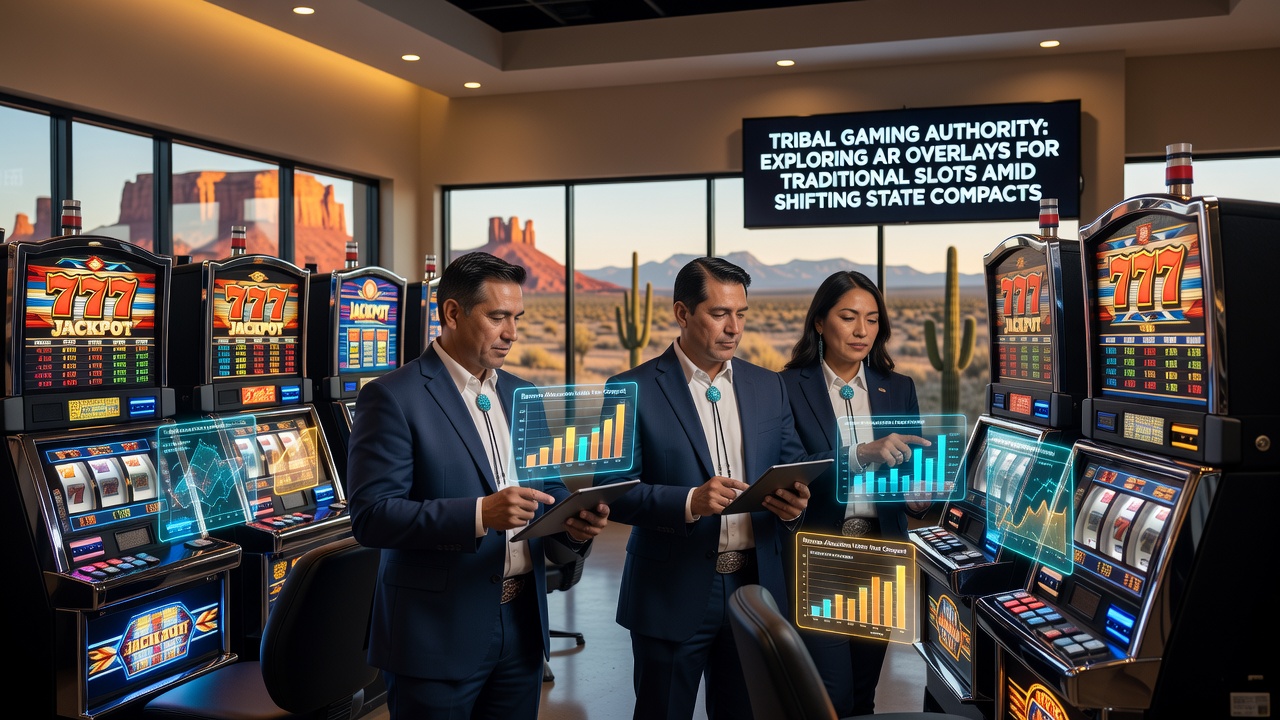
Tribal gaming authorities across Arizona, New Mexico, and parts of California have begun testing augmented reality overlays on existing slot machines as state compact negotiations continue to evolve through June 2026. These developments come as tribes seek ways to refresh player experiences without replacing entire machine inventories while revenue-sharing terms and regulatory language shift in new agreements.
Background on Southwest Tribal Gaming Operations
Multiple tribal nations operate thousands of slot machines under compacts that set limits on machine counts, payout structures, and exclusivity periods. Observers note that recent renegotiations have introduced clauses allowing technology upgrades that maintain the core mechanical reels yet add digital layers. Data from the National Indian Gaming Commission shows tribal gaming revenue in the Southwest region exceeded $12 billion in the most recent fiscal reporting cycle, with slot play accounting for the majority of that figure.
State officials and tribal representatives have met regularly since early 2025 to address expiration dates on older compacts. Several agreements now include provisions for digital enhancements that were not contemplated in previous decades. Researchers at Arizona State University documented how these clauses emerged during closed-door sessions where both sides discussed balancing consumer protection standards with innovation incentives.
How Augmented Reality Overlays Function on Traditional Slots
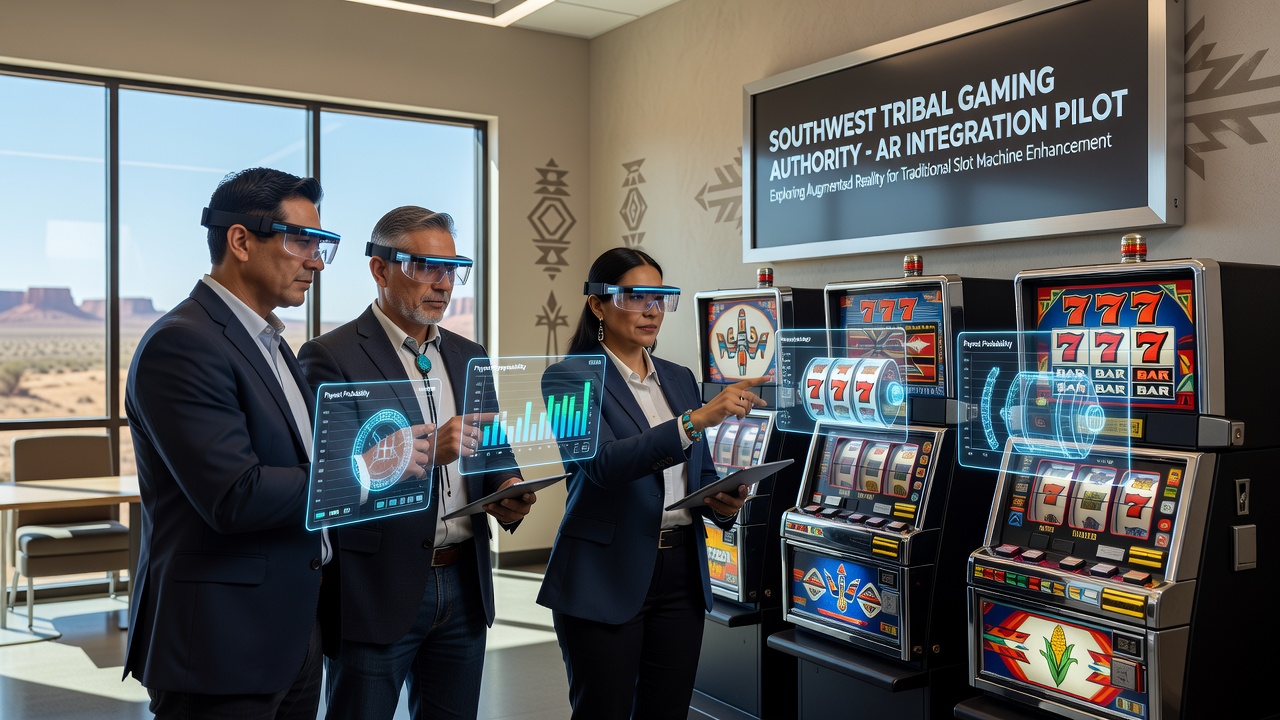
Augmented reality overlays project digital graphics onto the physical reels through player-facing screens or wearable devices provided by the casino. The base game remains unchanged, yet additional symbols, bonus animations, and progressive jackpots appear in real time. Technicians install cameras and sensors that track reel positions, then sync the visual layer without altering the random number generator certified by state labs.
One pilot program at a New Mexico facility demonstrated that the overlay system could activate during specific bonus rounds while the underlying mechanical spins continued uninterrupted. Players receive the same payout percentages established under compact rules, and the added visuals serve only as entertainment enhancements. Gaming laboratories in Nevada and California have already begun certifying the sensor arrays and software interfaces for compliance with existing technical standards.
Compact Shifts Driving Technology Interest
Compact language finalized in spring 2026 for several Arizona tribes now permits “non-substantive” hardware modifications that do not increase machine counts or change game mathematics. Similar wording appears in draft documents under review in New Mexico. These adjustments give tribal authorities flexibility to experiment with augmented reality while staying within machine caps that were locked in earlier agreements.
State gaming departments have required that any overlay system undergo independent testing for fairness and security before deployment. Officials emphasize that the core random outcome must remain identical to the certified base game. This requirement has led vendors to develop modular kits that attach externally rather than requiring internal machine alterations.
Implementation Timelines and Early Testing Results
By June 2026 several facilities had completed initial 90-day trials involving between 50 and 200 machines. Reports submitted to tribal gaming commissions indicate that player session times remained consistent with pre-overlay data, while voluntary feedback surveys collected by operators showed neutral to positive responses to the visual additions. Maintenance logs revealed minimal downtime attributable to the added sensors.
Authorities in California’s tribal gaming regions have scheduled similar evaluations for the third quarter of 2026, pending final compact signatures. Vendors supplying the overlay kits have adjusted production schedules to accommodate staggered rollouts across multiple reservations. Training programs for floor staff now include modules on troubleshooting the sensor calibration process.
Regulatory Oversight and Compliance Measures
Tribal gaming regulatory agencies coordinate with state gaming control boards to review each overlay deployment. Documentation requirements include source code audits, network security assessments, and payout verification reports. The process mirrors existing protocols used for progressive jackpot systems that link machines across properties.
According to a 2025 industry report issued by the National Indian Gaming Commission, tribal regulators allocated additional budget lines for technology review staff. This expansion supports the increased workload created by compact provisions that explicitly reference emerging display technologies. Parallel efforts by the Gaming Laboratories International have produced updated testing standards that address augmented reality synchronization without altering certified game logic.
Future Considerations for Broader Adoption
Discussions among tribal authorities continue regarding the scalability of overlay systems across larger casino floors. Some nations have formed working groups to share technical specifications and cost data from the initial pilots. Equipment suppliers have responded by offering leasing arrangements that reduce upfront capital requirements for smaller operations.
State legislators in the Southwest have scheduled informational hearings for late 2026 to review how the new compact language functions in practice. These sessions will examine whether the technology maintains the balance between player entertainment and regulatory oversight established in earlier agreements. Tribal representatives plan to present aggregated performance metrics from the first wave of installations.
Conclusion
Tribal gaming authorities in the Southwest continue to navigate compact renegotiations while exploring augmented reality overlays as one method to modernize existing slot inventories. The approach keeps certified game outcomes intact while adding visual layers that comply with updated regulatory language finalized through mid-2026. Ongoing testing and reporting will determine how widely these systems expand across tribal properties in the region.